Garden Maintenance in Haringey

Garden maintenance in Haringey should keep outdoor spaces tidy, healthy and usable without turning routine care into a major project. We focus on the ongoing work that keeps borders, lawns, hedges and planted areas under control, with attention to seasonal change, plant health and the practical details that make a garden easier to enjoy. Whether the space is compact or more established, the aim is steady upkeep rather than short-lived tidying.
Our maintenance work can include regular lawn care, hedge trimming, border attention, weed control, light pruning and the removal of cuttings from the site. Where gardens need a broader refresh, we can combine routine maintenance with selective clearance or small improvements so that the space looks managed rather than merely cut back. If you need a clearer picture of what is suitable, use the main service pages to narrow the type of work and then request a quotation in the way that suits you best.
Explore the full range of garden services and see how the main maintenance options fit together before you decide what to include in your request. If your garden has a particular issue such as overgrown hedging, patchy lawn growth or cluttered beds, the right starting point is often a simple description of the main concerns and the result you want.
Routine maintenance that keeps the garden workable
Regular garden maintenance is usually about consistency. Lawns need cutting at the right height for the season, hedges benefit from controlled shaping, and beds stay better behaved when weeds, dead growth and unwanted self-seeding are dealt with promptly. Our approach is aimed at keeping the garden manageable over time, so the work supports healthy growth rather than stripping everything back too severely. That balance matters in established gardens where plants, structures and pathways need to be kept in step.
Some customers want a single visit to bring order back to a neglected space, while others need repeat maintenance that prevents the same problems building up again. In either case, the scope can be adjusted to suit the layout and the condition of the garden. You can request a quotation once you know whether the job is mainly lawn care, hedge work, border tidying or a mix of tasks. If helpful, start by noting the main areas that matter most to you.
Lawn care and grass cutting
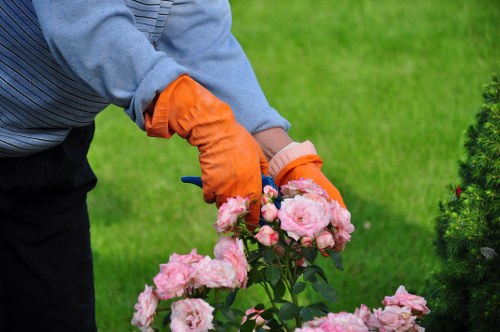
Lawn care is often the most visible part of garden maintenance, and it is rarely just a matter of cutting grass once. The condition of the lawn depends on how often it is cut, how much material is removed, whether edges are neatened and how the lawn is treated after periods of rapid growth or dry weather. A sensible mowing routine can help keep grass even and prevent coarse patches from taking over. Where needed, edging and basic tidy-up work help the lawn sit neatly against paths, borders and hard surfaces.
Not every lawn needs the same treatment. Some need a light cut to avoid stressing thin grass, while others benefit from more regular attention because growth is strong in spring and summer. Areas with shade, heavy use or mixed ground conditions may also need a slightly different approach. If your lawn is part of a larger maintenance plan, it can be combined with weed control, leaf collection and border work so the whole garden feels cared for rather than tackled in separate, disconnected visits.
Read more about lawn mowing if grass cutting is the main requirement and you want to see how that service is presented alongside broader maintenance work. A clear description of the lawn size, access and condition helps the work be scoped properly, especially if the garden includes narrow side return areas, steps or uneven ground.
Hedges, shrubs and shaped growth
Hedge trimming and light pruning are important parts of maintaining a neat boundary and keeping planted areas from becoming too dense. Hedges can interfere with light, pathways and the overall balance of a garden when they are left for too long, so regular cutting helps maintain form and keep growth within bounds. Shrubs and smaller woody plants also benefit from selective attention, especially when the aim is to preserve shape while removing unruly or damaged growth.
We can work with established hedges, informal screening and mixed shrub borders, using a finish that suits the planting rather than forcing one style everywhere. In some gardens, the priority is to keep a hedge level and even; in others, the task is simply to reduce bulk and restore control. If you are comparing the main maintenance tasks, see the hedge trimming service for a closer look at the kind of shaping work that can be included in a wider garden visit.
What a maintenance visit can include
Garden maintenance is often most effective when several related tasks are handled together. That might mean mowing, hedge trimming, dead-heading, border tidying and the removal of light green waste in one visit, rather than spreading simple jobs across multiple appointments. The exact mix depends on the garden and the time available, but the goal remains the same: a practical finish that makes the space easier to look after between visits.
Where a garden has become cluttered with cuttings, fallen leaves or small unwanted growth, maintenance can be paired with selective clearance so the healthier planting has room to recover. For more involved jobs that go beyond routine upkeep, look at garden clearance to see how removal work sits alongside maintenance. If you are planning a quotation, it helps to mention the main surface areas, any awkward access and the parts of the garden that need the most attention.
To keep the process straightforward, it is usually enough to provide a simple description rather than a long list of technical details. A few notes on the state of the lawn, the height of hedges, whether beds are overrun and whether there is existing waste on site will often give a much clearer picture than general comments alone. Useful information makes it easier to match the scope to the time and tools required.
Garden tidy-ups and seasonal upkeep

Seasonal garden maintenance in Haringey often shifts as the year progresses. Spring may call for a stronger focus on cutting back growth and re-establishing tidy edges, while summer can require more regular mowing and light shaping to stop plants from becoming unruly. Autumn work tends to bring leaf collection, bed clearing and general tidying, and winter maintenance may concentrate on keeping the space neat, accessible and ready for the next growing period. The right plan is shaped by the garden’s planting, size and level of use.
Some gardens also need periodic reset work rather than week-by-week attention. That can include bringing hedges back into line, reducing rough areas, removing dead material and restoring visibility around paths or entrances. If you want to compare this with broader improvements, review landscape gardening for a sense of how maintenance may sit alongside changes to layout, planting structure or borders. The balance between upkeep and improvement is often what makes a garden feel properly finished.
From light touch care to more involved work
A garden can need only a light touch, or it may need a more involved visit to get it back into shape. Light touch care suits gardens that are already fairly orderly and only need mowing, edging and a few small corrections. More involved maintenance is better for overgrown spaces where plants have crossed into one another, weeds have spread and access to edges or corners has become awkward. The right response depends on what is actually there, not on a fixed formula.
For gardens that need wider reshaping, path clearance or rethinking of planted areas, it can be helpful to compare maintenance with larger-scale work. See the landscaping service if you are considering changes beyond regular upkeep. For a maintenance quotation, it is sensible to mention any fixed features, such as fences, sheds, raised beds or retained trees, because they affect how work is carried out around the rest of the space.
- Choose the areas that matter most, such as lawn, hedge line or borders.
- Note whether the garden is tidy, partly overgrown or heavily neglected.
- Include any access issues, narrow side passages or locked gates.
- Say whether cuttings should be removed after the work is finished.
Managing waste and finishing the job properly
Good maintenance is not complete if the cut material is left behind in a way that spoils the result. Clippings, trimmings and loose debris can make an otherwise tidy garden look unfinished, so removal and basic site tidying are part of the service where agreed. The exact amount of green waste depends on the job, but even modest maintenance creates material that needs to be handled properly so paths, patios and borders are left usable.
Where waste volumes are larger, or where the garden needs a more substantial clear-out before normal maintenance can begin, the work may need to be staged. You can check the clearance service if you think the space needs more than routine upkeep before regular care becomes practical again. If the garden is already in a good state, a maintenance-only visit may be the more efficient option.
About Haringey

Haringey is a North London borough with a varied urban character that ranges from dense high streets and residential neighbourhoods to larger green spaces and historic landmarks. Its northern edge includes parts of the London boundary with Enfield and Barnet, while the borough extends south to areas such as Finsbury Park and the edges of central London connections. The district has long been shaped by transport corridors, including rail and Underground links that encouraged growth during the nineteenth and twentieth centuries. That development left a patchwork of housing styles, from Victorian terraces and Edwardian streets to later infill estates and apartment buildings. Alexandra Palace, first opened in 1873, remains one of the borough’s best-known landmarks, set on high ground with wide views across the city. The surrounding parkland and the palace itself have become a major cultural and leisure destination, while nearby green spaces such as Finsbury Park, Highgate Wood and Queen’s Wood show how closely the borough combines built-up streets with pockets of established woodland and open ground. Haringey also includes parts of the Lea Valley edge, where waterways, open space and recreation routes add another layer to its geography. Alongside those larger spaces, local centres such as Wood Green, Tottenham and Crouch End each have their own commercial and architectural identities, reflecting different stages of growth and change over time. This mixture of dense settlement, historic fabric, parks and transport links gives the borough a distinctly layered urban landscape.
Pricing, scope and quotation details

Quotation work for garden maintenance is usually best handled with a clear view of the tasks, the condition of the site and any extras that affect time on the ground. Lawn size, hedge length, the amount of weeding, the density of overgrowth and the need to remove material all influence the scope. A smaller garden that is well kept may need only a brief visit, while a larger or more neglected space can call for a fuller plan. Keeping the request specific helps avoid confusion and allows the service to be matched to the actual work.
There is no need to overcomplicate the enquiry. A short description of the garden, the main problem areas and the result you want is often enough to begin. If there are particular constraints, such as limited access, delicate planting or an area that should be left untouched, mention those too. Clear details help the quotation reflect the work more accurately, especially where the maintenance may need to include trimming, tidying and waste removal together.
Visit pricing and quotes when you are ready to move from an initial idea to a more precise request. If you would like to proceed, send the key details of the garden and ask for a quotation today.
Ongoing care for tidier outdoor space
Many gardens work best when maintenance is planned as a series of sensible tasks rather than an occasional rescue. Regular cutting, trimming and tidying help reduce the amount of time needed later and make the garden easier to use in ordinary weather as well as during the faster-growing months. Where planting is established, keeping growth in proportion also helps preserve the look of the space and avoid unnecessary damage to healthy stems or roots.
We can support gardens that need routine upkeep, a seasonal reset or a mixed visit that includes both maintenance and selective clearance. The most suitable choice depends on how the garden is used and what shape it is currently in. If you are comparing different types of work, return to the service overview and decide which combination fits best. A quick, well-focused enquiry is usually the simplest starting point.
For a quotation, tell us what you would like kept under control and what outcome you want from the visit. If the job is straightforward, the request can be brief; if the garden is more complex, include the parts that matter most so the scope is clear. Ask for a quotation once you are ready, and keep the description practical and specific.